

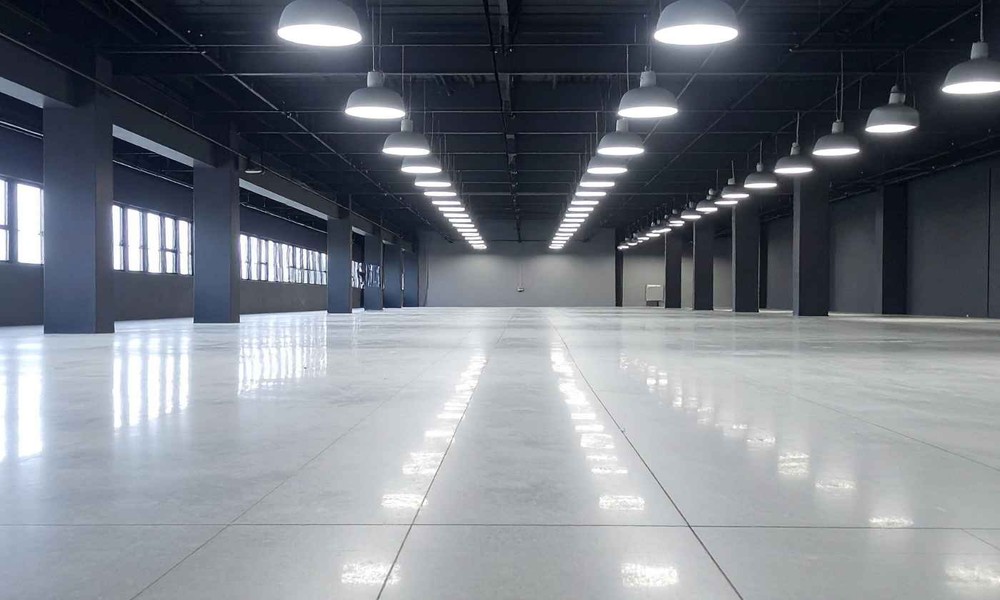
The lights illuminating your commercial property do far more than simply brighten spaces. They affect how safely employees and customers move through your facility, how much you pay in monthly utility bills and how your business presents itself to the world. Outdated lighting systems drain budgets while creating conditions that invite accidents and liability. Upgrading to modern alternatives addresses these problems while generating returns that make the investment worthwhile.
Understanding the full impact of lighting improvements helps business owners recognize why this upgrade deserves priority over other competing projects.
Reducing Slip and Fall Incidents
Inadequate lighting ranks among the leading contributors to workplace accidents. Employees navigating poorly lit corridors, stairwells and storage areas cannot see hazards until they have already stumbled over them. Customers entering dimly lit establishments face similar risks that expose businesses to costly liability claims.
Modern lighting systems deliver consistent illumination that reveals obstacles clearly. Workers can identify spills, debris and uneven surfaces before these hazards cause injuries.
The financial exposure from a single serious slip and fall incident often exceeds what comprehensive lighting upgrades would have cost. Legal fees, medical expenses, increased insurance premiums and lost productivity all accumulate rapidly when accidents occur. Preventing these incidents through better visibility represents smart risk management.
Enhancing Parking Lot Security
Dark parking areas invite criminal activity that threatens employees, customers and property. People avoid businesses where they feel unsafe walking to their vehicles. The perception of danger keeps customers away even when actual crime rates remain low.
Well-lit parking lots deter would-be criminals who prefer operating in shadows. Security cameras function effectively only when adequate light exists for capturing useful footage. The combination of bright lighting and visible surveillance creates environments where people feel comfortable, and wrongdoers recognize the elevated risk of detection.
Pole lighting upgrades transform parking areas from liability zones into welcoming spaces. Choosing companies like Gosling Electrical Service ensures proper installation of outdoor lighting systems designed to withstand weather exposure while delivering reliable performance for years.
Lowering Monthly Energy Expenses
Older lighting technologies consume electricity at rates that modern alternatives have rendered obsolete. Facilities still running metal halide fixtures, fluorescent tubes or incandescent bulbs pay far more for illumination than necessary. The energy waste continues month after month, year after year.
LED technology has matured to the point where it outperforms older lighting in virtually every measurable way. The fixtures use a fraction of the electricity while producing equal or better illumination. The reduced energy consumption shows up immediately on utility bills.
The savings compound significantly in commercial environments where lights operate for extended hours. Warehouses running lighting around the clock see the most dramatic reductions, but even facilities with standard business hours notice meaningful decreases in electrical costs.
Decreasing Maintenance Requirements
Traditional lighting systems demand constant attention. Bulbs burn out frequently and require replacement. Ballasts fail and need repair. The maintenance burden consumes staff time and generates ongoing expenses that add up substantially over the lifespan of older systems.
LED fixtures last dramatically longer than the technologies they replace. Some installations operate for a decade or more before requiring attention. This extended lifespan frees maintenance personnel to focus on other priorities while eliminating the recurring costs of bulb replacement.
The reduction in maintenance requirements proves particularly valuable in facilities with high ceilings or difficult-to-access fixtures. Changing bulbs in warehouses and industrial spaces often requires specialized equipment and creates safety concerns. Fewer bulb changes means fewer opportunities for maintenance-related accidents.
Improving Employee Productivity
Lighting quality affects how people feel and perform in work environments. Harsh, flickering or inadequate lighting causes eye strain, headaches and fatigue that reduce productivity throughout the workday. Employees working in poorly lit conditions make more errors and accomplish less.
Quality lighting creates environments where people can focus effectively on their tasks. Proper illumination reduces the physical strain that accumulates during long shifts. Workers report feeling more alert and comfortable in spaces with modern lighting systems.
The productivity improvements resist precise measurement but represent real value that business owners notice over time. Happier employees with fewer physical complaints contribute more effectively to organizational success.
Planning the Upgrade Process
Commercial lighting upgrades require planning that accounts for business operations. Scheduling work during off-hours minimizes disruption to daily activities. Phased implementations allow facilities to upgrade sections progressively rather than undertaking massive projects all at once.
Professional electrical contractors assess existing systems and recommend solutions matched to specific facility needs. The evaluation identifies which areas benefit most from immediate attention and which can wait for later phases.
Utility rebate programs often offset significant portions of upgrade costs. Many power companies incentivize efficiency improvements through payments that reduce net project expenses. Understanding available rebates before finalizing plans ensures businesses capture all applicable savings.
The investment in modern commercial lighting generates returns through reduced accidents, lower energy costs, decreased maintenance expenses and improved working conditions. These benefits continue accumulating long after the initial project concludes.
