

By the time a manufacturer starts comparing quotes for producing a part, most of the real cost has already been decided. That happens earlier, at the mold design stage, a step that gets far less attention than picking a supplier. Anyone weighing options for plastic injection thailand production runs into this early, often before they realize it.
The Mold Is a Reverse Image of the Part
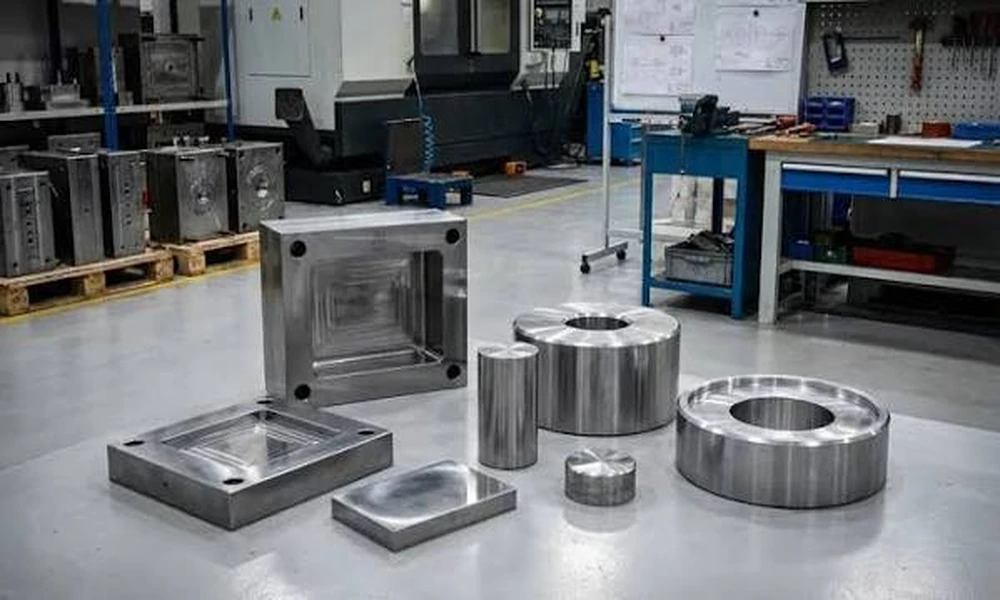
A mold has to replicate a part down to the smallest detail, since it gets used repeatedly to mass produce that exact shape. Any flaw baked into it at the design stage doesn’t just affect one unit. It repeats across every single part produced from that tool, potentially for years.
Manufacturing runs like this live or die on how well the reverse image tool was designed before a single part ever gets molded.
Where the Real Costs Actually Sit
Injection molding produces high volumes of consistent parts at a very low cost per unit once it’s running. Getting there costs more up front.
- Design work
- Testing
- Tooling, driven by complexity, material choice, and precision
Getting the mold design right the first time matters. A flawed tool means those up front costs effectively get paid twice, once to build it and once to fix it.
Design Choices That Ripple Through the Whole Run
| Design Decision | Effect on Cost and Quality |
|---|---|
| Wall thickness consistency | Uneven thickness increases warping and scrap rate |
| Material selection | Wrong polymer choice affects strength, cost, and moldability |
| Draft angles | Poor angles make parts harder to eject, increasing cycle time |
| Combined material molding | Two shot molding reduces assembly steps. Tooling gets more complex |
| Insert molding | Embedding non plastic parts saves assembly time. Tolerances get tighter |
None of these decisions are obvious from a finished part alone. They’re baked in long before the first test shot comes out of the mold.
Designing for Manufacturing, Not Just for Function
There’s a meaningful difference between designing a product that works and designing a product that can actually be manufactured simply and repeatably. Small details in a part’s geometry can determine whether the mold needs to be more complex, which directly affects tooling cost.
This is exactly where early input from a plastic injection thailand manufacturer on part design can save real money. A part redesigned slightly for manufacturability, without changing what it does, can sometimes cut tooling costs substantially.
Waste Reduction Is Part of the Cost Equation Too
Injection molding forms parts instead of cutting them from a solid block. Very little material goes to waste. Over a large production run, that waste reduction adds real savings on its own.
Common Questions
Can a mold be modified later if the design needs to change?
Sometimes, for minor adjustments. Significant design changes usually require a new tool entirely.
Does higher part complexity always mean a more expensive mold?
Generally yes, though the relationship isn’t perfectly linear. A part with a few complex features can sometimes cost less to tool than one with many moderate features. It depends on how those features interact.
The cost advantages of injection molding mostly take care of themselves once the mold design is right from the start. Get that wrong, and no amount of supplier negotiation afterward makes up for it.
