

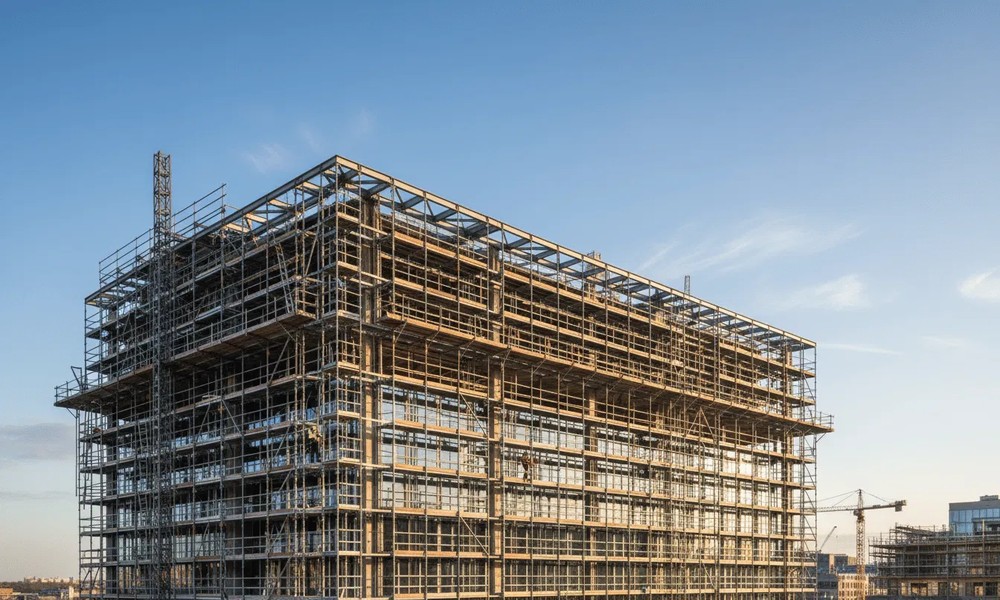
The city skylines of the 21st century are dotted with more than just cranes and steel beams. Look closer, and you’ll spot an intricate web of scaffolds and temporary structures, each a testament to the relentless pace of innovation in construction. What fuels this evolution, and how do new materials, digital tools, and sustainability efforts intertwine to redefine scaffolding and access systems?
Early Innovations in Scaffolding: Foundations of Modern Design
Traditional Materials and Construction Methods
Centuries ago, scaffolding meant lashing together timber poles with rope. Bamboo, wood planks, and even stone were pressed into service, prized more for availability than for precision or safety. These early solutions, while ingenious, were labor-intensive and often unreliable, especially in demanding environments.
The Rise of Modular and Frame Scaffolding
Everything shifted with the advent of standardized steel tubes and modular frame scaffolding in the 20th century. Suddenly, structures could be designed, dismantled, and reconfigured far more efficiently. Uniform parts brought predictability, while frame scaffolding made vertical access on urban sites not just possible, but routine.
Initial Safety Enhancements and Standards
As cities rose higher, safety moved from afterthought to priority. Guardrails, toe boards, and non-slip platforms became common. Industry standards emerged, setting the stage for more sophisticated engineering and inspection processes, an early glimpse at the regulated, innovation-driven landscape we see today.
Transition to Advanced Materials and Systems
Introduction of Lightweight Alloys and Composites
Steel’s dominance faced competition as engineers experimented with lightweight alloys and composite materials. Aluminum scaffolds slashed the time and manpower needed for assembly and transport. Composite planks added durability and weather resistance, opening doors to projects in harsh climates or sensitive environments.
Development of Rosette (Ringlock) Systems
The introduction of the rosette (Ringlock) system marked another leap. Instead of fixed frames, Ringlock scaffolding used circular nodes and locking heads, giving engineers unparalleled freedom to create complex shapes and angles. This flexibility proved invaluable on intricate façades and irregular structures.
Impact on Assembly Speed and Structural Flexibility
Advanced systems mean fewer parts, faster assembly, and increased adaptability. Crews can now erect thousands of square feet of scaffolding within hours, not days, which is essential for projects with tight timelines or frequent design changes.
Integration of Technology in Scaffolding Engineering
Digital Design Tools and Structural Simulations
Gone are the days of sketches and on-site improvisation. Today’s scaffolding engineer relies on 3D modeling software and structural simulations to predict loads, stress points, and optimal configurations before a single component is moved. Errors get caught in the digital phase, saving time and reducing material waste.
Use of Sensors and IoT for Real-Time Safety Monitoring
Technology’s grip extends to the site itself. Internet of Things (IoT) sensors now monitor critical data: load weights, vibrations, even weather impacts. Real-time alerts can warn crews about overloading or structural shifts, making accidents far less likely.
Automation and Robotics in Scaffold Assembly
Robotic solutions are finding their way onto demanding or hazardous sites, assisting with repetitive, heavy, or dangerous tasks. These advances not only boost productivity but also help address labor shortages and safety concerns.
Evolution of Temporary Structures Beyond Scaffolding
Innovation does not stop at scaffolding. Shelters, access floors, and suspended platforms are reinvented with the same spirit. Construction sites now employ weatherproof shelters, custom access floors for working at height, and suspended floors that minimize ground-level disruption. Non-standard containment systems provide bespoke solutions for sensitive environments, from historic buildings to industrial plants.
Sustainability Trends Shaping the Industry
Eco-consciousness is reshaping every stage of temporary structure design. Recyclable aluminum and composites cut the carbon footprint. Energy-efficient site shelters reduce fuel consumption. Lifecycle management systems track components for reuse, refurbishment, or responsible recycling, shrinking waste that once choked landfills.
Future Directions: Smart and Adaptive Scaffolding
The next frontier? Scaffolding that thinks and adapts. Modular systems with embedded connectivity can relay structural health data to project managers. Artificial intelligence helps optimize designs for maximum efficiency and minimum material use, while integration with Building Information Modeling (BIM) allows scaffolding plans to evolve in lockstep with the broader engineering project.
Case Studies: Cutting-Edge Projects Demonstrating Innovation
Urban high-rises, sprawling event installations, and emergency deployment scenarios all benefit from these advances. Consider a downtown renovation that needed custom-shaped scaffolding to preserve historic details or a music festival where rapid, safe assembly was key. In each case, innovative systems delivered flexibility and reliability that traditional structures could not match.
Challenges and Opportunities Ahead
Every leap forward comes with trade-offs. How do engineers balance safety with cost and speed? Regulations must evolve to keep pace with new materials and digital systems, and the workforce needs training to master cutting-edge tools. Yet with specialists such as scaffolding engineer NadeauSDM, the industry is well-equipped to navigate this dynamic landscape and seize the opportunities that innovation brings.
The scaffolds rising beside tomorrow’s landmarks may look simple, but behind every beam and bolt lies a history of ingenuity, precision, and relentless progress. As construction grows smarter and more sustainable, scaffolding will continue to quietly support the world’s boldest ideas.
