

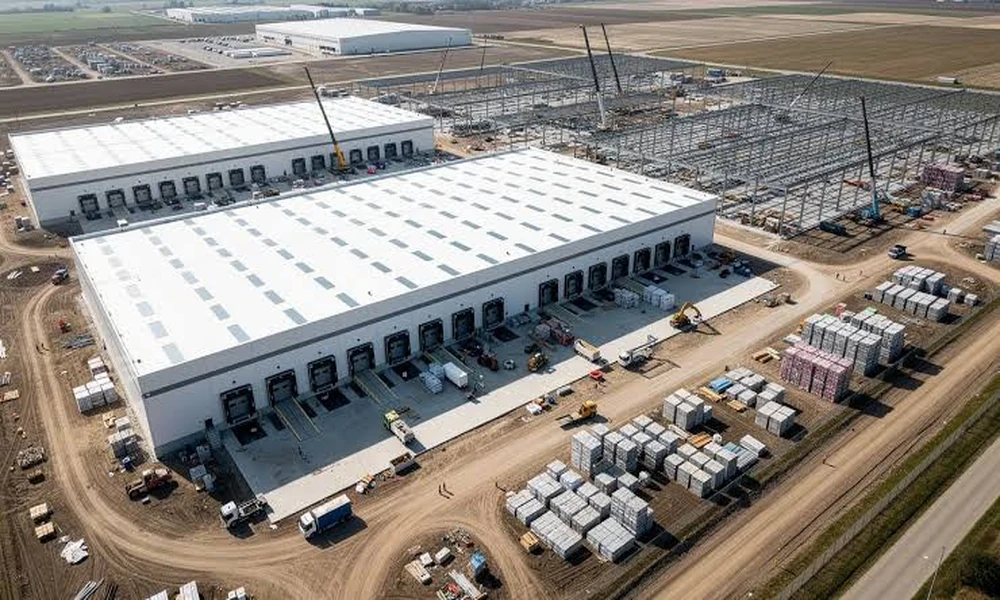
Viewing a JTC factory is often the moment when a business decides whether a property can work. Yet many important details are not obvious during a quick walk-through. A structured site inspection helps businesses evaluate a jtc factory for rent properly, identify potential problems and avoid surprises after signing. This article outlines what to check during an inspection, from building condition to utilities and compliance.
Prepare Before the Visit
A productive inspection starts with preparation. Bring your operational requirements, such as floor area, ceiling height, power needs and loading requirements. Review any information provided about the property beforehand. Prepare questions about lease terms, permitted use and building history. Bringing a measuring tape, camera and notebook helps record details. Taking a colleague from operations or maintenance gives a second, practical view.
Check the Building Structure
Inspect walls, floors, ceilings and roofs for signs of damage. Common warning signs include:
- Cracks in walls or floor slabs
- Water stains on ceilings and walls
- Spalling concrete with exposed steel
- Rust on roof sheets, gutters or columns
Photograph anything that looks doubtful. Roof leaks are a common problem in older industrial buildings. Structural issues may be the landlord’s responsibility, but they can still disrupt operations. Note any concerns and ask how they will be addressed.
Assess Floor Condition and Loading
Floors in factories must support machinery, racking and vehicles. Check for cracks, uneven surfaces and damage. Ask about the floor loading capacity and whether it suits your equipment. Floor problems can affect safety and equipment performance, and repairs can be costly. Forklift traffic is especially hard on damaged floors.
Measure Ceiling Height and Clearances
Ceiling height affects racking, machinery and lifting equipment. Measure clear height to the lowest obstruction, such as beams, ducts or lights. Check door heights and widths for moving equipment and vehicles. Small differences in height can determine whether your operation fits. Sprinkler heads and lighting often reduce usable height.
Inspect Electrical Supply
Check the existing electrical capacity and the condition of switchboards and wiring. Ask whether upgrades are possible and who would bear the cost. Industrial operations often need more power than office or storage uses. Electrical upgrades can take time and require approvals, so understanding capacity early is important. Photographing switchboard labels helps your electrician assess capacity later.
Check Water, Drainage and Utilities
Inspect water supply, drainage and any trade effluent facilities. Food, chemical and manufacturing operations may need specific drainage arrangements. Check for gas supply or compressed air if needed. Ensure toilets and washrooms are adequate for staff numbers. Blocked or slow drains during a visit can point to wider problems.
Review Loading and Access
Loading facilities are crucial for many industrial operations. Check loading bay sizes, dock levellers, ramps and vehicle access. Consider turning space for trucks and parking for staff and visitors. Observe the estate at busy times if possible. When inspecting a jtc factory for rent, logistics constraints are often as important as the unit itself. Check whether loading bays are shared and how bookings work.
Fire Safety and Compliance
Check fire safety features such as sprinklers, fire alarms, extinguishers and exits. Your operation may need additional fire safety measures depending on the materials handled. SCDF requirements apply, and changes may need approval. Understanding existing compliance helps plan any upgrades needed. Ask for the latest fire certificate if one applies. Changes to layout or storage can affect fire safety approvals, so discuss plans early.
Ventilation and Environment
Good ventilation is important for worker comfort and certain processes. Check windows, exhaust systems and air-conditioning. Consider heat build-up, especially under metal roofs. Some operations may need specific ventilation or dust control systems. A visit in the afternoon shows how hot the unit gets.
Condition of Fixtures and Fittings
Note the condition of doors, windows, lighting, toilets and any existing fittings. Ask which fittings remain and which will be removed. Understanding the condition helps estimate fit-out costs and reinstatement obligations at the end of the lease. Agreeing a written condition report at handover protects you at the end of the lease.
Questions to Ask During the Inspection
Useful questions include:
- What is the floor loading capacity?
- What is the available electrical supply?
- Are there any known defects or leaks?
- What are the permitted uses?
- What are the reinstatement requirements?
Recording answers helps compare properties later.
Comparing Several Properties
Viewing one property in isolation makes it hard to judge value. Inspecting three or four units with the same checklist allows a fair comparison of condition, facilities and lease terms. A simple scoring sheet, with weighting for the factors that matter most to your operation, helps the team reach a decision. It also gives you useful evidence when negotiating rent or requesting repairs before handover. Revisiting the top choice a second time often reveals details missed on the first visit.
Making an Informed Decision
A thorough site inspection helps businesses choose premises that suit their operations and avoid costly surprises. Comparing several properties using the same checklist makes decisions easier. For businesses evaluating options, a consultant familiar with JTC land and factory rental can help assess properties and lease terms.
