

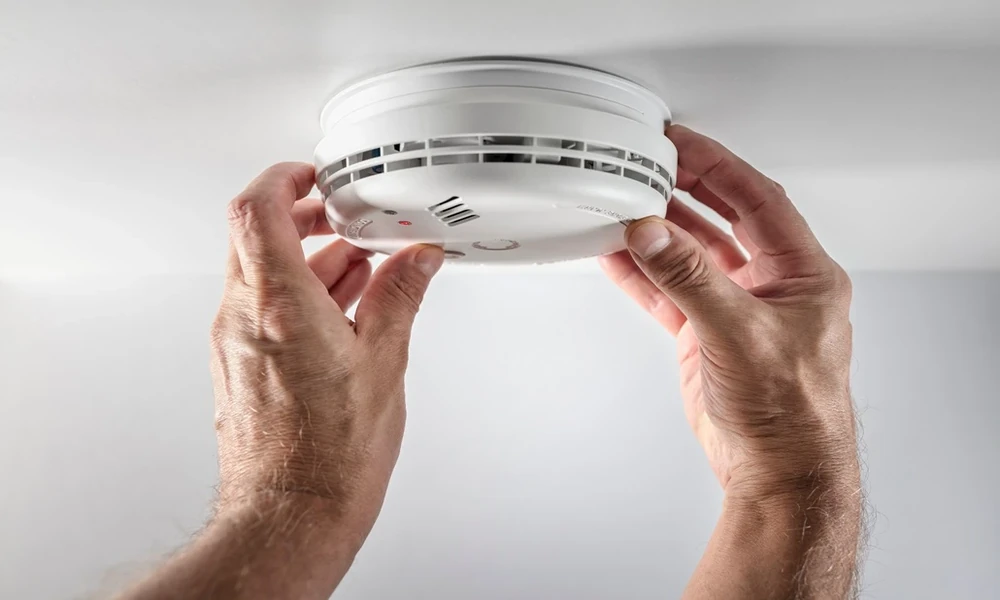
Fire safety begins with a dependable warning system that helps occupants respond quickly when danger develops. Every commercial building needs reliable protection that supports daily activities while keeping people informed. Properly installed alarms detect early signs of smoke or rising heat. Integrating a business camera system san antonio tx can further support building monitoring and improve awareness during unexpected situations.
Early Warning System Setup
Fire alarms identify early signs of potential fire incidents through connected detection devices. Smoke detectors recognise airborne particles while heat sensors respond to unusual temperature changes. Their placement plays an important role in covering occupied rooms and shared areas. Correct installation helps building managers receive timely alerts when unusual conditions develop.
Suitable Detector Placement
Each building has different layouts that influence detector positioning and coverage requirements. Professional installers assess ceiling heights and room arrangements before selecting suitable equipment. Proper positioning helps sensors monitor important areas without leaving significant coverage gaps. A business camera system san antonio tx can complement alarm monitoring by providing visual information during incident assessment.
Reliable Alarm Components
Quality equipment supports consistent warning signals throughout the premises. Each component performs a specific role in identifying danger or notifying occupants. Important installation elements include:
- Smoke detectors identify airborne particles during developing fire conditions.
- Heat sensors recognise unusual temperature increases within enclosed rooms.
- Manual call points allow occupants to activate emergency warnings.
- Alarm panels coordinate signals received from connected detection devices.
- Audible alerts notify staff about immediate evacuation requirements.
These components work together to support effective fire warning arrangements. Regular testing also helps confirm that individual devices remain operational.
Professional Installation Standards
Qualified installers examine building requirements before beginning equipment placement. They connect detection devices to central panels using suitable wiring arrangements. Proper configuration allows warning signals to reach designated areas throughout the property. Clear installation records also help maintenance teams understand system connections during future inspections.
A well planned safety arrangement gives building owners greater control over emergency readiness. Management teams should assign clear responsibilities for inspections and evacuation procedures. Updating equipment when building requirements change also supports dependable protection. Consistent attention to alarm performance helps organisations maintain safer working conditions while preparing occupants to respond with confidence.
FAQ
What is the main purpose of fire alarm installations?
They identify early fire signs and alert occupants promptly.
How often should commercial fire alarms undergo inspections?
Scheduled inspections help confirm reliable operation throughout the year.
Can smoke detectors work alongside heat detection devices?
Yes, combined detection provides broader coverage across occupied building areas.
