

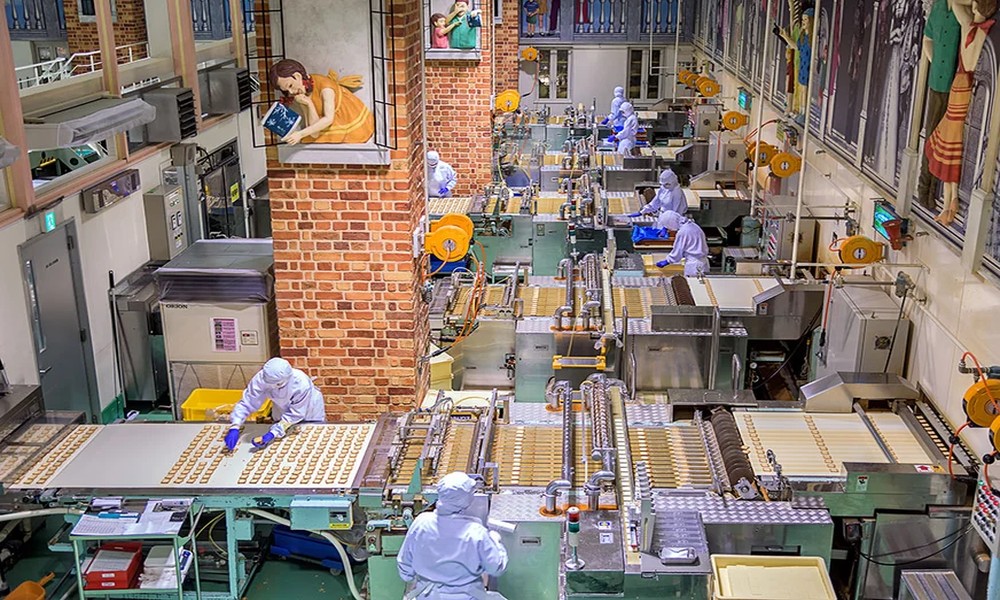
Streamlined production, uncompromising safety, and future-proof flexibility, these are the benchmarks of a successful food processing facility. Yet, achieving such standards is never an accident; thoughtful architectural planning shapes these high-performing environments from the ground up.
The Critical Role of Architectural Planning in Food Processing Efficiency
Every square meter in a food processing plant is a direct investment in productivity and safety. The placement of walls, the choice of materials, and even the location of drains can spell the difference between costly bottlenecks and seamless, hygienic workflows. Architectural planning creates the invisible backbone that supports efficient operations and regulatory compliance, long before the first machine is switched on.
Understanding Food Processing Facility Requirements
Key Regulatory and Safety Considerations
Food processing operations are subject to some of the strictest codes in the built environment. Facilities must accommodate regulatory frameworks such as HACCP, CFIA, and FDA requirements, which dictate everything from segregated zones for allergens to controlled temperature areas. Failing to consider these standards in the initial planning phases can lead to expensive retrofits and compliance delays.
Workflow and Production Line Optimization
Poorly arranged equipment forces employees to crisscross the facility, increasing both inefficiency and contamination risk. The best designs anticipate the entire product journey, mapping logical paths for raw materials, finished goods, and waste. By aligning architecture with production flow, plants can maximize throughput without sacrificing quality.
Hygiene and Sanitation Design Imperatives
Cleanability is engineered, not improvised. Architects must specify non-porous surfaces, seamless junctions, and effective drainage. Even the direction of airflow and placement of handwashing stations play roles in upholding strict hygiene protocols.
Case Study: Designing a State-of-the-Art Food Processing Plant in Montreal
Project Overview and Client Needs
A Montreal-based client required a facility that could meet growing demand for prepared foods while maintaining the highest safety standards. They sought an efficient footprint, advanced automation, and room for future expansion.
Architectural Challenges and Solutions
The city’s dense urban fabric posed challenges for site access and waste management. Solutions included separate loading docks for raw and finished goods, and expedited material flow via linear processing lines.
Integration of Technology and Automation
Automation systems demanded precise layouts for conveyors, robotic arms, and cold storage zones. Collaborative planning between architects, process engineers, and IT teams ensured the building would support cutting-edge technology, without compromising human safety.
Layout Strategies to Maximize Operational Efficiency
Zoning for Raw Material, Processing, and Packaging Areas
Clear zoning is essential. Raw material intake, processing, and packaging each have distinct requirements for temperature, air pressure, and sanitation. Strategic separation minimizes risk of cross-contamination and streamlines monitoring for quality assurance.
Material Flow and Minimizing Cross-Contamination
Architects use tools like unidirectional flow, where materials only move forward, never backtracking, to keep pathogens at bay. Corridors and partitioned access points further help control personnel and product movement.
Incorporating Flexibility for Future Expansion
With consumer tastes and regulations constantly shifting, facilities must remain adaptable. Modular wall systems and open-span structures are favored, enabling painless expansion of production lines or quick pivots to new products.
Sustainable Design Practices in Food Processing Facilities
Energy Efficiency and Resource Management
Energy-intensive equipment and refrigeration pose major challenges. Smart architectural planning incorporates natural light where possible, thermal zoning, and heat recovery systems to cut energy consumption.
Use of Eco-Friendly Building Materials
Selecting non-toxic, locally sourced materials not only boosts sustainability but also aligns with many food companies’ brand values. Durable, easy-to-clean surfaces further extend facility lifespan.
Waste Reduction Through Architectural Innovation
Thoughtful layouts help segregate waste streams, organic, packaging, and chemical, at the source. This makes recycling and byproduct recovery simpler and more efficient.
Case Study: Adaptive Reuse of an Industrial Building for Food Processing in Toronto
Assessing Structural Suitability and Renovation Needs
Transforming a legacy warehouse into a food-grade facility required rigorous assessment of existing infrastructure. Load-bearing capacities, insulation quality, and access to utilities all came under scrutiny.
Balancing Modern Standards with Existing Constraints
Adapting to columns, ceiling heights, and outdated HVAC systems, architects balanced preservation with the addition of food-safe zones and modern sanitation features.
Outcome and Operational Improvements
The resulting Toronto plant achieved greater production capacity without the cost and carbon footprint of a new build. Operational flow improved, and the company met regulatory approval on the first try.
Collaboration Between Architects and Food Industry Stakeholders
Aligning Architectural Vision with Process Engineering
Successful facilities result from alignment between architects and process engineers. Early, frequent collaboration ensures buildings are tailored to both current and future production needs.
Communication and Iterative Design Development
Digital modeling and simulation allow teams to test layouts virtually, reducing errors and optimizing workflows before construction begins.
Managing Timelines and Budget Constraints
Clear communication and phased planning help manage tight schedules and budgets, a reality for almost every food project.
The Future of Food Processing Facility Architecture
Emerging Trends in Automation and Smart Facilities
The rise of AI, IoT, and robotics is shifting design priorities, with architecture now needing to accommodate data networks and programmable spaces.
Impact of Modular and Prefabricated Construction
Prefabrication enables faster build times and higher quality control, making it attractive for food facilities aiming to minimize downtime.
Preparing for Regulatory and Market Changes
Facilities must be engineered for change, able to adapt quickly as new safety standards and technologies emerge.
Conclusion: The Architect’s Impact on Food Processing Success
At every stage, architectural planning drives the efficiency, safety, and resilience of food processing facilities. The lessons from Montreal and Toronto underline that success is found in the details, in anticipating how spaces will be used, how regulations will evolve, and how technology will reshape production. Firms with broad expertise, like the Stendel + Reich Architecture firm, continue to help food companies transform complex requirements into operational excellence, setting a new standard for what food processing facilities can achieve.
