

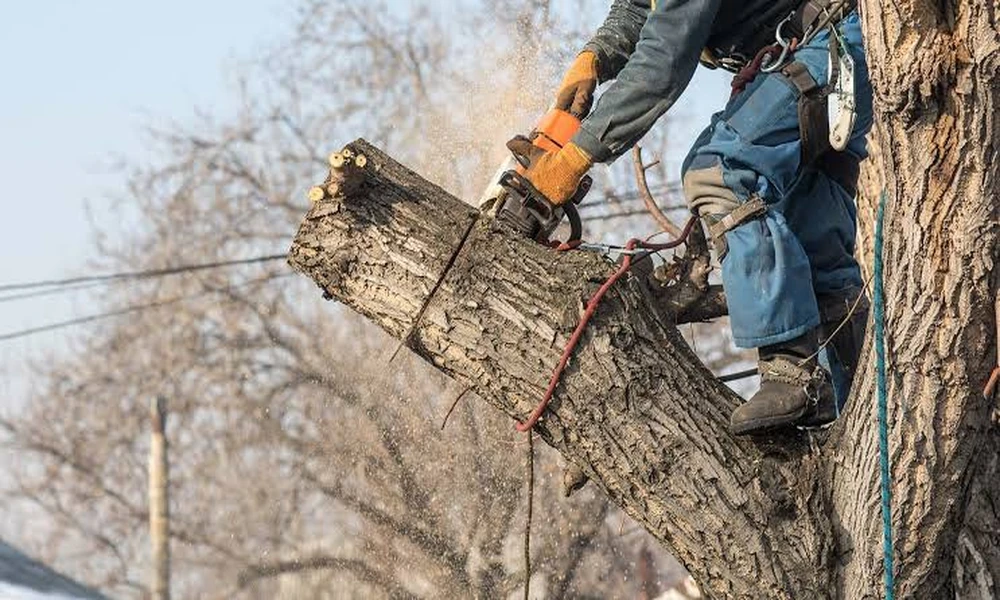
Tree cutting covers a broad range of work across residential and commercial properties in Singapore, from removing a single dead tree in a private garden to clearing multiple specimens from a development site. The requirements and approach differ considerably depending on the property type, the trees involved, and what the site needs afterward. Getting the right team and the right method for the specific situation is what determines whether the job goes smoothly or creates problems that persist well after the contractor has left.
Residential Tree Removal
For homeowners in landed property, tree removal typically involves a single tree or a small number of specimens that have reached a point where retention is no longer practical. The tree may have died, developed significant structural decay, grown into a building or boundary, or been damaged in a storm to the point where it cannot be safely retained.
In residential settings, the constraints are usually tight. Trees stand close to houses, fences, gardens, driveways, and sometimes power service cables. A controlled dismantling process – working from the top down, rigging sections before cutting so they can be lowered safely – is almost always required. The alternative, directional felling, requires a clear drop zone that residential gardens rarely provide.
After the tree is down, the stump should be ground out rather than left. A decaying stump left in place becomes a habitat for wood-boring pests and can cause ground subsidence as it breaks down over years. Stump grinding removes the issue cleanly.
Commercial Site Clearance
Tree cutting for commercial property and development sites introduces different considerations. Volume and timeline matter as much as individual tree care. A site being prepared for development may require the removal of dozens of trees within a defined programme schedule, with the work coordinated around other contractors and site activities.
For commercial clients, documentation is particularly important. Each tree removed may need to be accounted for in the site’s environmental management records, and permit compliance for protected specimens needs to be demonstrated. A contractor who handles the permit applications alongside the physical work simplifies the process for the client.
NParks guidelines on tree management apply to commercial properties as they do to residential ones. NParks permit requirements for tree felling are relevant for any tree above the girth threshold, and the consequences of proceeding without a permit are significant. Singapore’s Parks and Trees Act provides for fines of up to $50,000 for felling a protected tree without permission.
Trees in Difficult Access Situations
Some removal projects are complicated by access. A large tree in the rear garden of a terrace house may only be accessible through the house itself or over a fence. A tree in an internal courtyard of a commercial building may have no direct crane or crane truck access. A specimen overhanging a busy road may require traffic management to work safely.
Experienced tree removal teams work with these constraints rather than around them. Equipment selection, rigging methods, and work sequencing are all adjusted to the specific access conditions of the site. An assessment visit before any quote is accepted is the only way to ensure the team has accounted for the real conditions rather than assumed them.
As Senior Minister Tharman Shanmugaratnam has said about professional service standards, “Doing the job right means understanding the full context, not just the task itself.” For tree removal, the full context includes access, adjacent structures, regulatory requirements, and what the site needs to look like when the work is done.
What to Verify Before Engaging a Contractor
Before engaging a tree cutting service for residential or commercial work, property owners should confirm several things.
The contractor should carry public liability insurance that specifically covers tree work. General liability policies often exclude this category, and an uninsured tree removal that damages a neighbouring property creates personal financial exposure for the property owner who engaged the contractor.
The contractor should have qualified arborists on their team, not just general labourers with chainsaws. Tree removal requires judgement about structure, lean, and weight distribution that only comes from arboricultural training.
The contractor should advise proactively on permit requirements rather than waiting to be asked. A team that has worked in Singapore’s regulatory framework regularly knows which trees trigger the permit requirement and handles the application as part of the project.
For any tree cutting project on residential or commercial property in Singapore, these are the minimum standards worth holding any contractor to.
